A rising ecosystem shaping Gen Z and brand relevance
Anime, once seen as just entertainment, is now emerging globally as a cultural force - almost a language of rebellion and self-expression for young people, shaping conversations and even influencing movements across countries like Indonesia, Nepal and Madagascar. In India too, its presence is becoming increasingly visible, from anime-inspired t-shirts on city streets to people casually watching shows during commutes.
With layered storytelling, emotionally rich characters, and expansive arcs that unfold over hundreds of episodes, anime offers depth that strongly resonates with Gen Z, who are currently navigating an uncertain world. Beyond captivating content, it also provides a sense of belonging, bringing fans together through online communities, deep discussions, and offline spaces like comic cons and cosplay events, making it a powerful subculture that brands can no longer ignore.
The Indian youth has leaped onto the wave
With 118 Million viewers, India has emerged as the second - largest Anime market globally. It is forecasted to be $2,930 million by 2033, with a growth rate of 11.5% from 2025-2033, and is connecting with audiences across languages - Japanese, Hindi, Tamil, Telugu and English.
Demon Slayer, a recently released anime movie, became the highest-grossing non-Hollywood foreign film ever in India, within just 5 days of its release. Theatres were packed with audiences even at 5am screenings.

Demon Slayer movie poster (Source: IMDb website)
Globally, anime fans have fought to take back power, representing the spirit of their favourite shows
The One Piece Jolly Roger flag has begun to be a symbol of rebellion against the status quo governments across the globe- it has been involved in recent protests in Nepal and France…and has even been banned by the Indonesian government, likening its use to treason.
Its use in Madagascar has resulted in the ousting of their president, and him fleeing the country. This is the second government to be toppled over by the impact of Gen Z protestors, Nepal having been the first. Perceived injustices have led to a united front from Gen Z’s across continents, connected by the emblem of the pirate flag from a series that reflects their values.
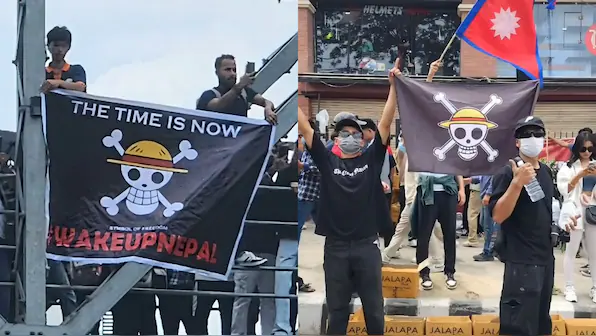
Protests in Nepal (Source: The Hindu)
The Opportunity for Brands
India’s anime moment is just beginning. With over half a billion OTT users and only a small share currently engaging with anime content, the space is primed for exponential growth. Industry estimates suggest a 13% CAGR for the anime market by 2028, signaling a shift from niche fandom to mainstream entertainment.
The recent re-release of the Japanese- Indian anime film Ramayana: The Legend of Prince Rama in January this year also caused a big hype in audiences that viewed it on TV as children, earning INR 2.29 crore at the box office within just 3 days of its release.
The ecosystem offered by anime goes beyond just watching content, inviting enthusiasts to express themselves through art, cosplay, conventions, merchandise, and tight-knit communities. This deep emotional investment means marketing needs to go beyond promotion, focusing instead on building belonging and enabling fans to truly immerse themselves in the worlds they love.
Crunchyroll specializes in this space and has collaborated with stars like Tiger Shroff to drive adoption- its billboards are now a common sight across Indian cities. As Crunchyroll’s Head of Theatrical & Distribution, Mitchel Berger notes, nearly 40% of teen anime fans see anime as part of their identity, 30% say it has shaped their outlook on life, and 78% say it strengthens relationships- especially Gen Z, who use it for emotional connection and friendship in a fragmented digital world. (Source)
Indian brands are beginning to take this view in their stride, with some examples being Boat and Blinkit’s collaboration for Naruto-themed wearables, Souled Store’s anime collections and the events hosted by Comic Con India.

boAt Naruto Rockerz headphones (Source: boAt website)
Harsh Lal, Co- Founder, The Souled Store, shares “For us, anime fans align perfectly with Gen Z and millennial consumers who value individuality and self-expression. Events create immersive spaces where fans interact with their favourite characters, making collaborations feel natural rather than forced. We leverage these moments through exclusive drops, cosplay tie-ins, and experiential stalls that build genuine connections, turning fandom into long-term brand loyalty.”
Shefali Johnson, CEO, Comic Con India, speaks about the increase in number of anime fans, sharing, “For instance, at the previous edition of Bengaluru Comic Con, we saw over 5,000 cosplayers participating, many of them inspired by anime. This is a testament to how strongly this culture resonates with young fans in India. Today, anime enthusiasts stand shoulder-to-shoulder with other comic and pop culture fans, forming one of the most vibrant and rapidly growing communities at Comic Con India.”
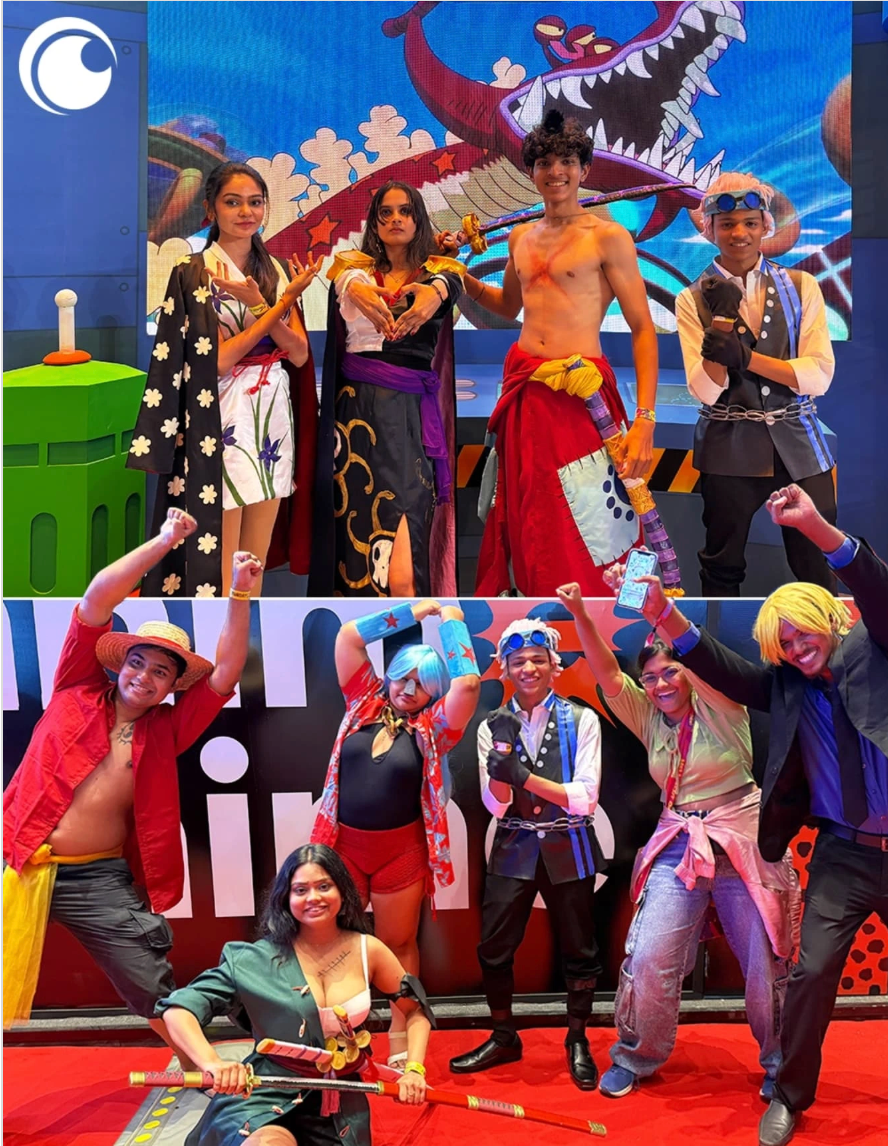
Cosplayers of anime characters at the Mumbai ComicCon, 2025 (Source: Crunchyroll India official Instagram account)
For brands, anime represents both a cultural and strategic opportunity. It’s already embedded in the emotional lives of India’s Gen Z and young millennials, with about 75% of young anime viewers using anime as emotional escape and stress relief. Gaining their loyalty via anime will hinge on two enduring values: authenticity and relatability. Brands that align with these will earn attention along with trust and long-term cultural relevance, building an audience that feels valued.
Subcultures like anime offer not just reach but resonance, loyalty, and cultural relevance in one of the world’s fastest-growing youth markets.
Want to explore similar subcultures and their applicability for your brand?
Reach out to us to explore emerging trends in this space!
Strategist
.jpg)